

How much does it cost to move a piano?
Piano moving quotes vary wildly because the piano is rarely the expensive part. Here's what sets the price, and what to tell a mover so the number you're quoted is the number you pay.
By JC Relocation · Updated · Published · 6 min read
Piano moving is priced by access, not by the instrument. The number of stairs, landings and turns between the piano and the truck moves a quote far more than whether it’s an upright or a grand. Grands do cost more, because they have to be dismantled and reassembled. Tuning is a separate trade, budgeted separately.
Ask three movers what it costs to move a piano and you can get three very different answers, which makes it feel like guesswork. It isn't. Piano pricing follows a small number of factors, and once you know them you can predict roughly where your job lands and spot a quote that's going to change on the day.
The single most useful thing to understand is that the piano is usually not the hard part. Access is. A grand piano moving from a ground-floor room with a wide door and a driveway is a calmer job than an upright coming down two flights of narrow stairs with street parking half a block away.
Key takeaways
- Access drives piano pricing more than the instrument does.
- Grands cost more because they must be dismantled and reassembled, not as an upsell.
- Stair count, landings, and turns are the details most likely to change a quote on the day.
- Never let a piano roll on its own casters, which are decorative.
- Budget for tuning separately, and wait a few weeks after the move before booking it.
- Send photos of the piano, the stairs, and the parking when you ask for a quote.
The four things that set the price
Almost every piano quote comes down to the same four inputs. Everything else is detail.
- Piano type. An upright, spinet, or console is a fundamentally different job from a baby grand or grand, which has to be dismantled and moved on a skid.
- Stairs at each end. Not just whether there are stairs, but how many flights, whether there are landings or turns, and whether there's a banister in the way.
- Access and clearances. Doorway widths, tight corners, thresholds, and how far a truck can park from the door. A long carry costs time.
- Distance. Across town is priced differently from across the state, though for local moves access matters far more than mileage.
Why a grand costs more than an upright
An upright piano is moved as a single unit. It gets strapped upright to a piano board or heavy dolly and steered, never rolled on its own casters, which are decorative and will gouge a floor or snap off entirely.
A grand is taken apart. The lid and music desk come off, then the legs and the pedal lyre, and the body travels padded on its side on a skid board. That's more crew, more time, and reassembly at the other end. It's also usually the only way the instrument clears a standard doorway, so it isn't optional or an upsell.
Stairs are the biggest variable
If one number is going to move your quote, it's the stair count. Pianos on stairs need more people, not more effort from the same people, because control on a descent is a function of how many hands are on the instrument.
Turns matter as much as flights. A straight run of twelve steps is more predictable than two short flights with a tight landing between them, because the landing is where the piano has to be repositioned mid-carry. Mention landings when you ask for a quote. Most people don't, and it's the detail most likely to change the price on the day.
What's normally included
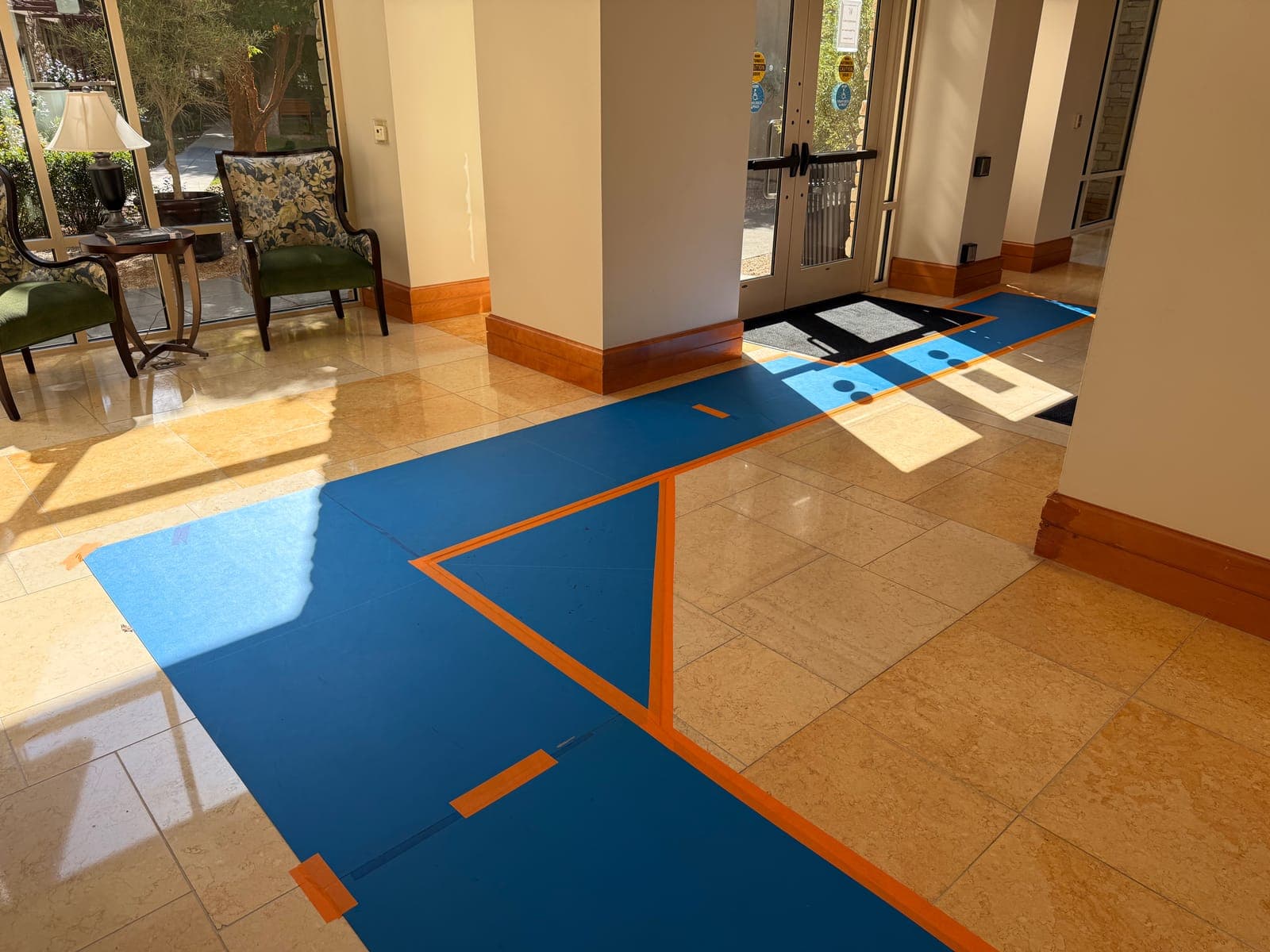
A professional piano move should include the padding and equipment, protection for the route the piano travels, and placement at the far end, rather than delivery to the nearest open floor space.
- Blankets, straps, piano board or skid, and dollies rated for the weight
- Floor runners, doorframe padding, and banister protection along the route
- Disassembly and reassembly for grands
- Positioning the instrument where you want it
Budget for tuning, separately
Your piano will very likely need tuning after a move, and that's normal rather than a sign something went wrong. Tuning drifts from the vibration of transport and, more significantly, from the new room's temperature and humidity.
Most technicians suggest letting the instrument settle in its new home for a few weeks before tuning, so it acclimates first. Tuning it the day after a move often means paying to do it twice. Tuning is a separate trade, so budget for it alongside the move rather than expecting it to be included.
How to get a quote that doesn't change
The quotes that shift on move day are almost always the ones given without enough information. Movers who quote a piano over the phone in thirty seconds are guessing, and the guess gets corrected when they see the staircase.
Photos are worth more than descriptions. A picture of the piano, the staircase, the doorway, and where a truck can park answers most of a mover's questions at once and gets you a number that holds.
- Piano type and rough age
- Full address at both ends
- Stairs and flights at each end, including landings and turns
- Door widths and any tight corners
- How close a truck can park to the door
Related service: Piano movers in San Jose & the Bay Area
See the serviceReady for a real number?
Tell us about your move and we’ll send a clear, written quote. No obligation, no surprises.
Frequently asked questions
Is it cheaper to move a piano myself?+
Rarely, once you account for what goes wrong. Pianos are heavy, top-heavy, and unforgiving. The common outcomes of a DIY attempt are a damaged floor, a damaged doorframe, a cracked soundboard, or an injury. Specialist equipment does exist to rent, but the technique is the part that isn't rentable.
Do movers charge extra for stairs?+
Effectively yes, because stairs need a larger crew and more time, and local moves are priced on crew size and hours. It isn't usually a separate line item so much as a bigger job. Tell the mover the stair count upfront so it's in the original quote rather than added later.
How long does it take to move a piano?+
A straightforward ground-floor upright move across town can be done in a couple of hours including travel. A grand with stairs at both ends and reassembly at the far end is a longer job. The carrying is quick; the preparation, protection, and reassembly are what take the time.
Should I empty or prepare the piano before the movers arrive?+
Take everything off and out of it: sheet music, metronomes, framed photos, and anything inside the bench. Close and, if it locks, lock the keyboard lid. Leave the rest to the crew; you don't need to remove legs or attempt any disassembly yourself.
More moving guides
Moving a studio or one-bedroom apartment: cost, time, and crew
Small apartment moves are the job people underestimate most, because they budget for the furniture and forget the building.
Read guideShould you hire packers? Cost, timing, and what to expect
Packing is where most of the time and nearly all of the breakage in a move happens. Here's what hiring it out gets you, and when it's worth the money.
Read guideWhat movers will and won't move
Most disputes on move day come from an assumption nobody checked. Here's what movers generally do, what they legally can't take, and what you should always carry yourself.
Read guideHow much do movers cost? A Bay Area pricing guide
What drives the price of a move, and how to get a number you can plan around.
Read guideHow much should you tip movers? (And furniture delivery)
When tipping is customary, what’s normal, and when you don’t need to at all.
Read guideMoving last-minute? A same-day & next-day survival guide
Have to move fast? Exactly what to do first when there’s no time to plan.
Read guideNeed movers today?
Call now for the fastest answer, or send your details and we’ll come back with a free, written quote.